America Loves Black Women’s Labor. But Does it Love Us?
Black women made history on Election Day. But celebrating what we do isn't the same as caring about our lives.
Black women made history on Election Day. But celebrating what we do isn't the same as caring about our lives.

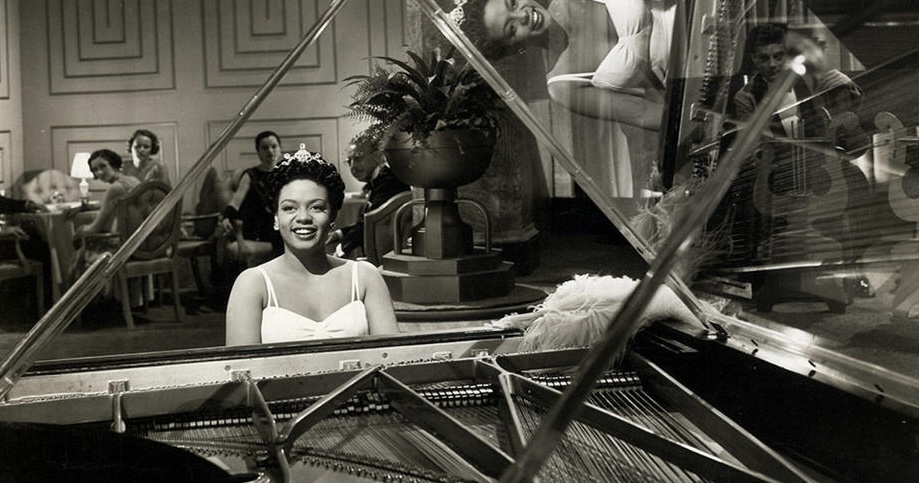
Karen Chilton’s biography Hazel Scott: The Pioneering Journey of a Jazz Pianist From Café Society, To Hollywood to HUAC calls out, opened doors, stages and whole eras to artistic geniuses.

Reading a biography is an act of discovery. We get to learn how the protagonists in each story thought, imagined, made core decisions and overcame obstacles within the context of their own lived experiences.
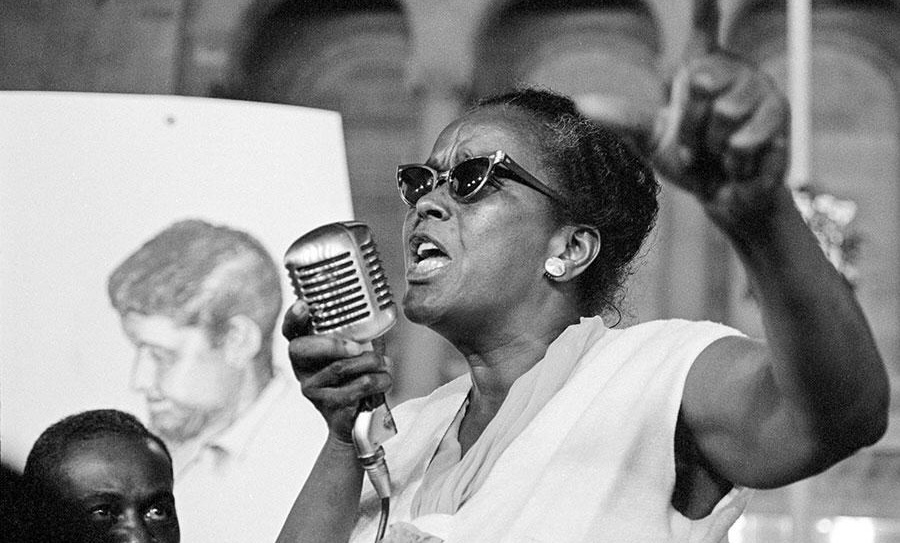
Ella Josephine Baker carved out a new definition of womanhood in a male-dominated civil rights movement, creating a path to democracy from the ground-up, rather than top-down.

During Banned Books Week, October 4-10, Unerased | Black Women Speak is asking what is at stake when access to stories, history and civic participation is threatened.
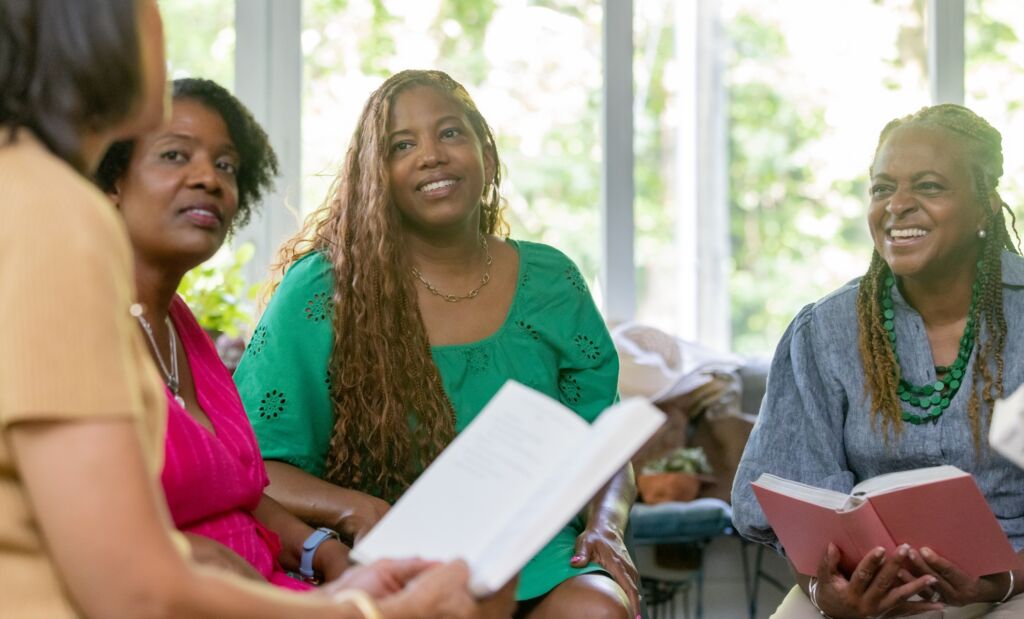
Across nearly two centuries, Black women have gathered in parlors and living rooms, from bookstores, conference halls and digital screens. The books bring them into the space.
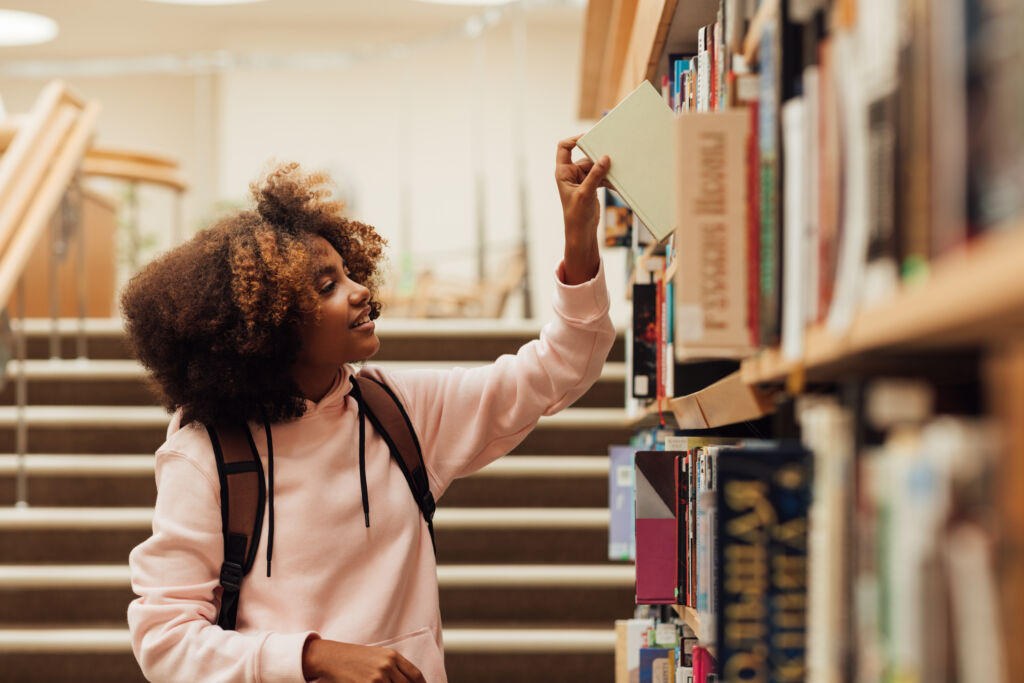
Creating lifelong readers may begin by changing the goal. Instead of asking how to get young people to read more, perhaps the better question is: How do we help them discover something they actually want to read? Perhaps that’s where it starts.