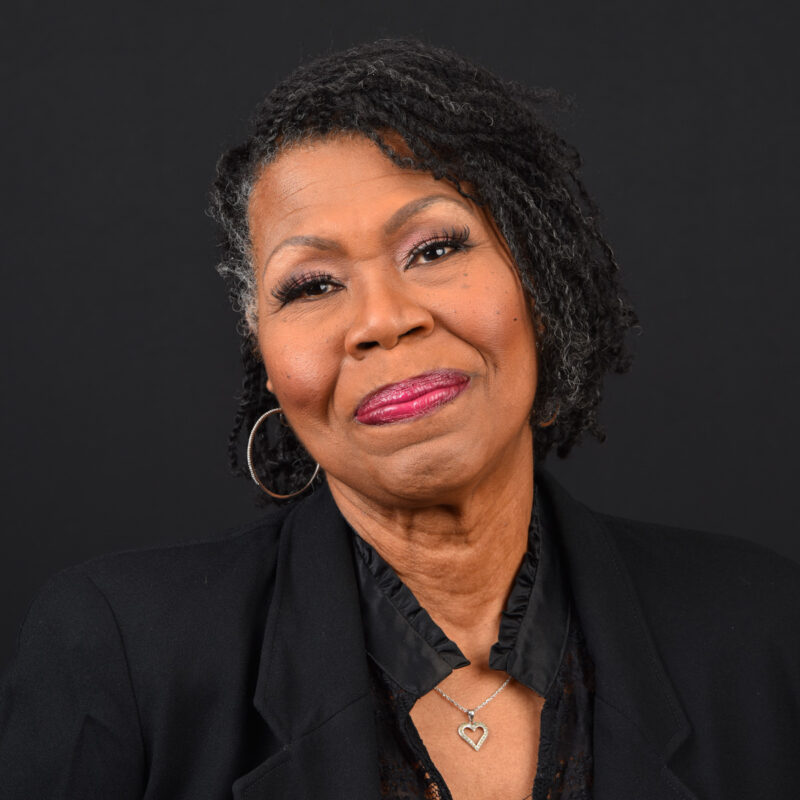

By Gwen McKinney
Donnita Hathaway has only a vague remembrance of her father who died when she was two years old. But the one thing that has endured over the decades is his abiding love that she cherishes today.

“Over the short time he was in my life, I know he showered me with love,” reflects Hathaway, remembering the legendary artist Donny Hathaway who took his life at age 33. “While he didn’t have the capacity to behave as a typical dad, I know he prayed for me, cared about me and extended unconditional love.”
Donny Hathaway – multitalented vocalist, arranger, lyricist, keyboardist – is revered for music that touches the pain, passions, joy, struggle and vulnerability of the human spirit. He was diagnosed with paranoid schizophrenia in his 20s, reportedly experiencing depression, hallucinations and persistent delusions. In January 1979, he plunged from the 15th Floor of a New York City hotel to his death.
While reportedly prescribed many drugs and enduring several hospitalizations, he never received adequate care by a health system that lacked the capacity and cultural competency to address the needs of a Black man afflicted with mental health crises.
Donnita, 49, migrated in 2023 to St. Louis where her father was reared. She says she is moving ever closer to an embrace and celebration of his life and contributions.
“Once I began to know my Dad as a young woman, I learned he was a trailblazer. When I was old enough to understand – connecting with this person and that person – it was clear he inspired everyone he touched.”
Transforming memory into action, Hathaway has launched the Donny Hathaway Legacy Project. She says the nonprofit organization will create a space where culture, holistic healing and community meet mental health. Calling the project a love letter to her dad, she noted that he would have turned 80 this past October.
“We will focus on healing trauma-informed heartbreak with conscious care – especially targeting musicians and creators, Black men, boys and young people,” says Hathaway. “We’re coming to the end of the year and as we begin 2026, many folks are depleted. There’s missing seats at the table of loved ones who have passed on. Add to that sadness, the political attacks being visited upon our community.”
In nearly every Black family, someone is navigating the weight of mental health challenges. The magnitude of these struggles is often cloaked in stigma and shame and the crisis confronting Black families is hardly matched by the intervention for cures.
The American Psychiatric Association estimates that only one in three Black adults with mental illness receive treatment. They are less likely to receive consistent care, less frequently included in research and more likely to use emergency rooms or primary care rather than mental health specialists.
Alarming data points to an escalation in suicide rates among Black youth and adolescents (ages 10-24), especially Black males. Some data show rates rising over 50% in Black youth, marking the first time the increase has surpassed white youth rates. While the overall suicide rate is trending downward, a Pew study reports that between 2007 to 2020, the suicide rate rose 144% among Black youth between 10 and 17-year-olds.
In 2019, the Congressional Black Caucus (CBC) released a report on the national crisis, with recommendations and establishment of the CBC Emergency Taskforce on Black Youth Suicide and Mental Health.
While studies conclude that the rates of depressive disorder affecting Black Americans are similar to that of the general population, other factors create wide disparities in treatment due to the trauma of racism; limited access to culturally competent health providers; and cost and access to treatment.
Cultural barriers include distrust in the health system and over reliance on religion as a cure. Stigma associated with early and sustained intervention also stems from an unspoken racial code to tough it out – no matter how profound or intractable the problems.
Unmet needs often spill over into family and community level violence, homelessness and confrontations with police and the criminal legal system. Mental health crises affect entire families, but the responsibility to respond often falls on the matriarchs—mothers, aunties, grandmothers, sisters—who have limited capacity to process action plans, access resources or seek support for their family and themselves.
“There’s a healing balm in all of us. Whenever we can, there must be a push for awareness, resources – to address trauma and heartbreak,” notes Hathaway.