Ask a young person who says they do not like reading why, and the answer might reveal something important.
Maybe the books they have been assigned feel like homework. Maybe they have not encountered characters who look, sound, or live like them. Maybe no one has helped them discover that whatever already captures their imagination, from basketball and music to science, fashion, history, or superheroes, can probably be found between the covers of a book.
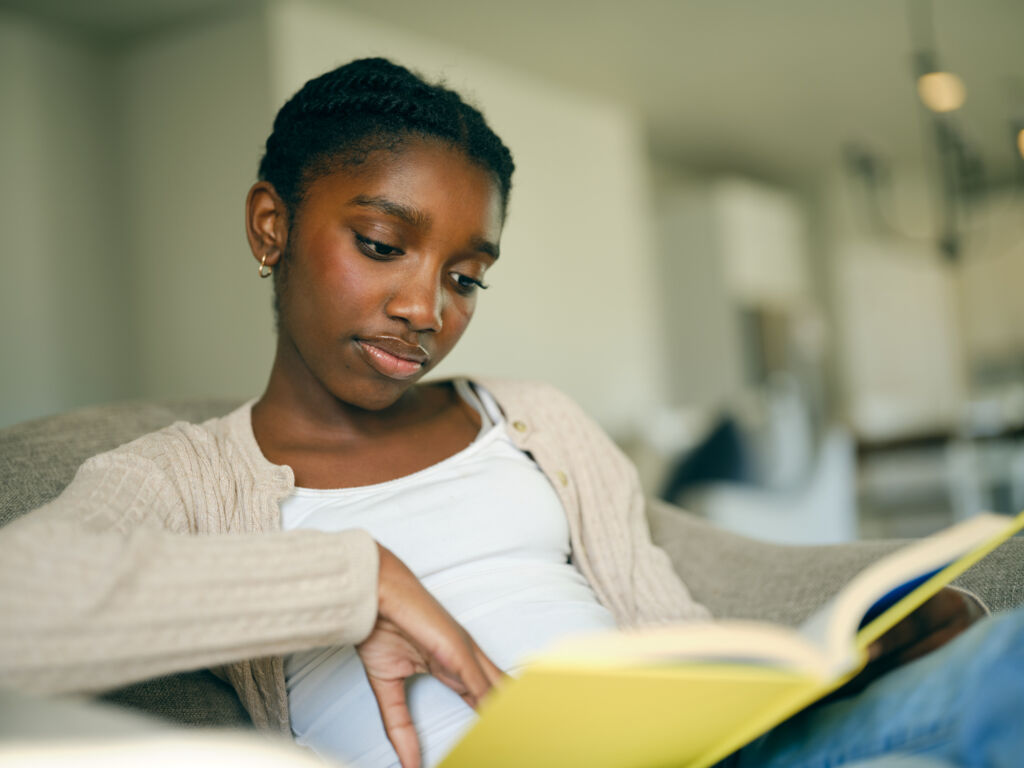
Creating lifelong readers may begin by changing the goal. Instead of asking how to get young people to read more, perhaps the better question is: How do we help them discover something they actually want to read?
Author Jason Reynolds understands that distinction. Reynolds, an award-winning author who has served as National Ambassador for Young People’s Literature, has often discussed his own journey as a reluctant young reader. His GRAB THE MIC: Tell Your Story initiative took an unconventional approach. Rather than simply telling young people to read, Reynolds focused on helping them recognize the value of their own stories and giving them opportunities to use their voices.
That idea offers a lesson for parents, caregivers, educators, librarians, and mentors: start with the young person in front of you.
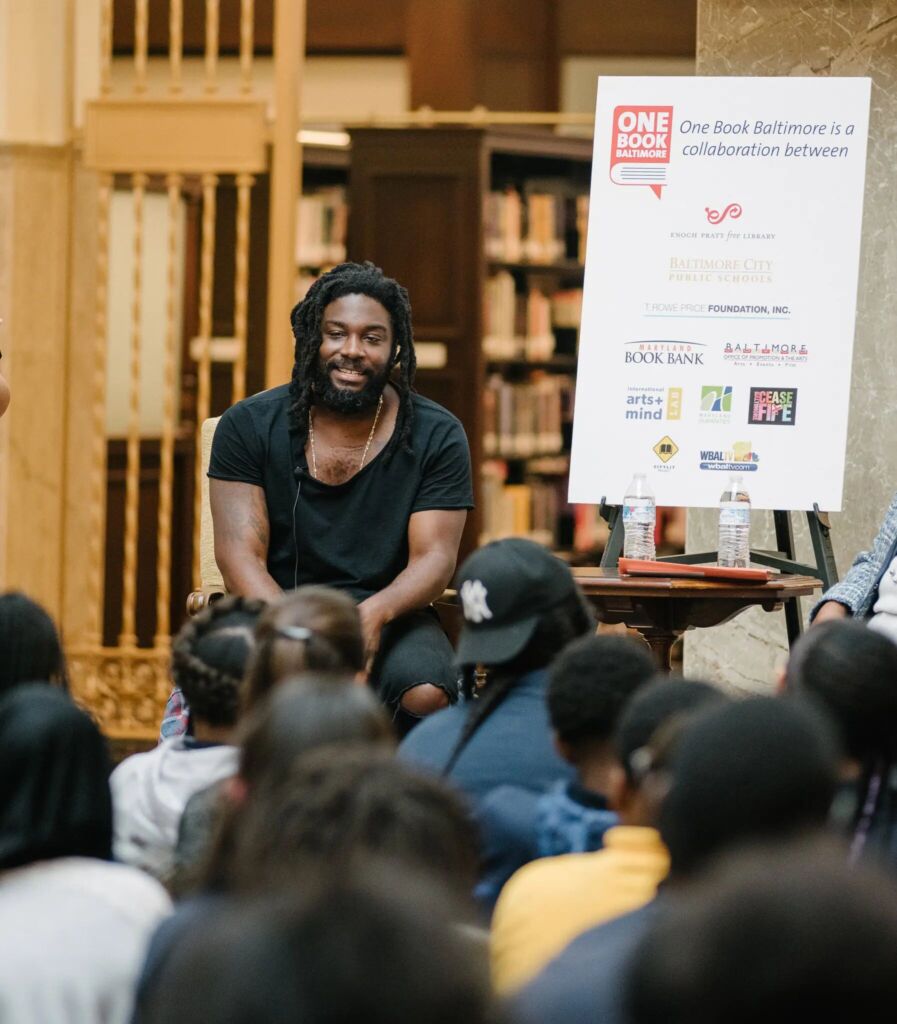
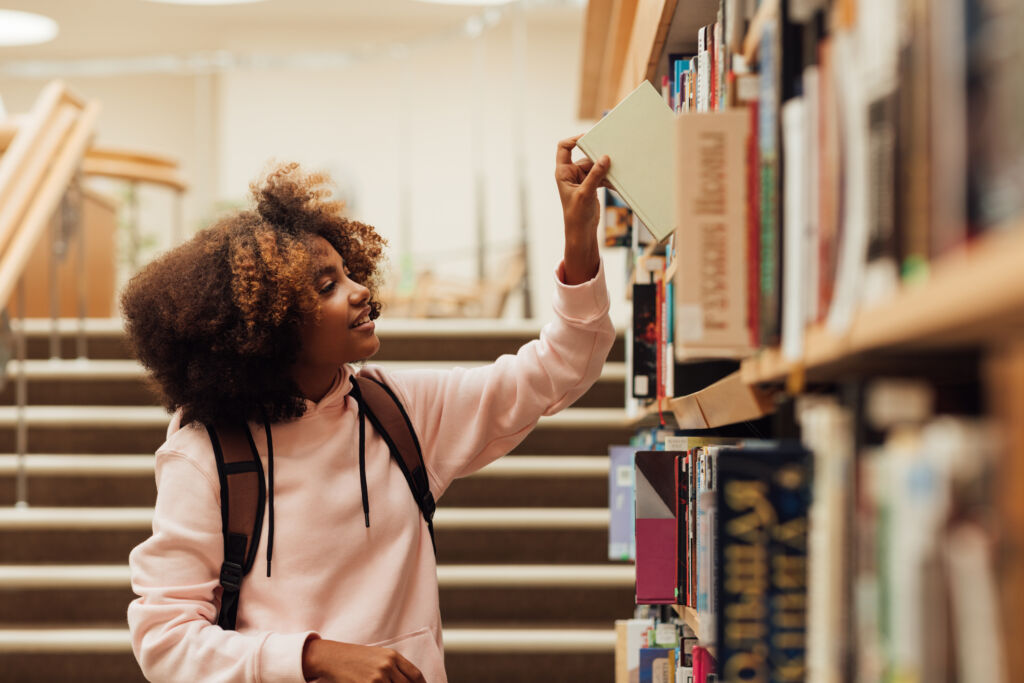
If a child loves sports, find the biography of an athlete. If they spend hours listening to music, introduce them to the life of an artist who changed its sound. Let young people wander through libraries and bookstores and choose what interests them. A book does not become less valuable because a child picked it instead of an adult.
That sense of joy does not have to stop when the book closes.
Families can create a biography reading challenge and let each person choose someone whose life they want to explore. A visit to the library can become part of a Saturday outing. A biography of a musician can lead to listening to an album together. The story of an activist might inspire a museum visit or documentary night. Dinner tables and car rides can become places to ask, “What surprised you about her story?”

That is also part of the opportunity behind Power Read 25. With biographies for adults and young readers alike, the initiative creates space for families and communities to encounter Black women’s lives together. A biography can introduce a young reader to someone who lived a century ago while opening conversations about the world they are navigating today.
But biography can do something else. It can teach young people that history does not belong only to famous people.
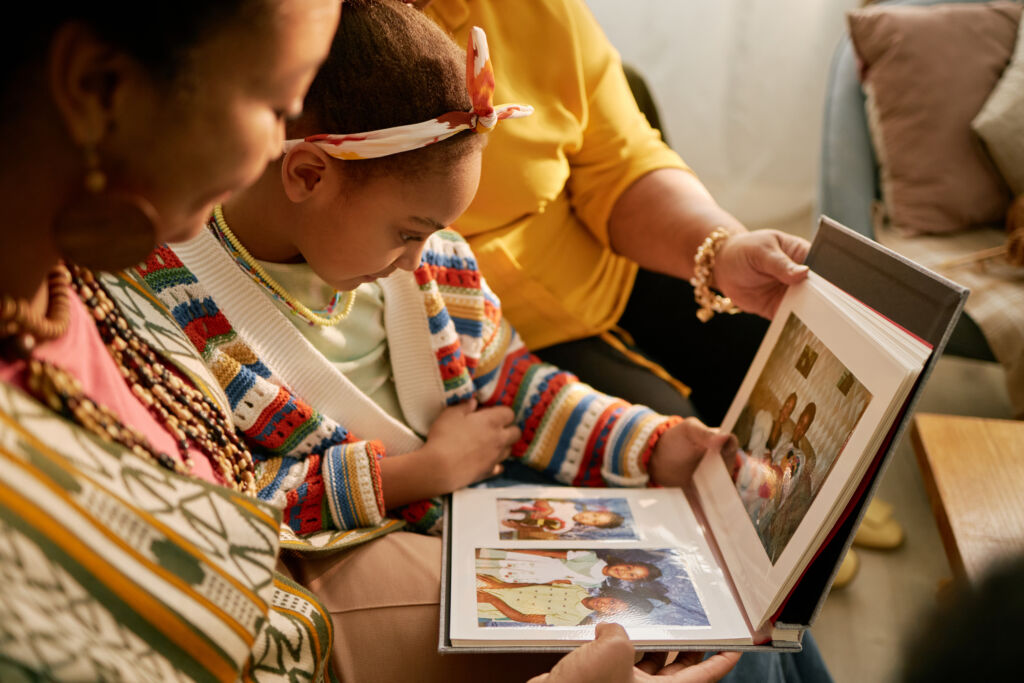
Ask a child to interview a grandmother, aunt, teacher, neighbor, or other elder. What did they dream about at fifteen? What was their first job? What music did they love? What frightened them? What did they overcome? Record the conversation, collect photographs, or turn their answers into a short family biography.
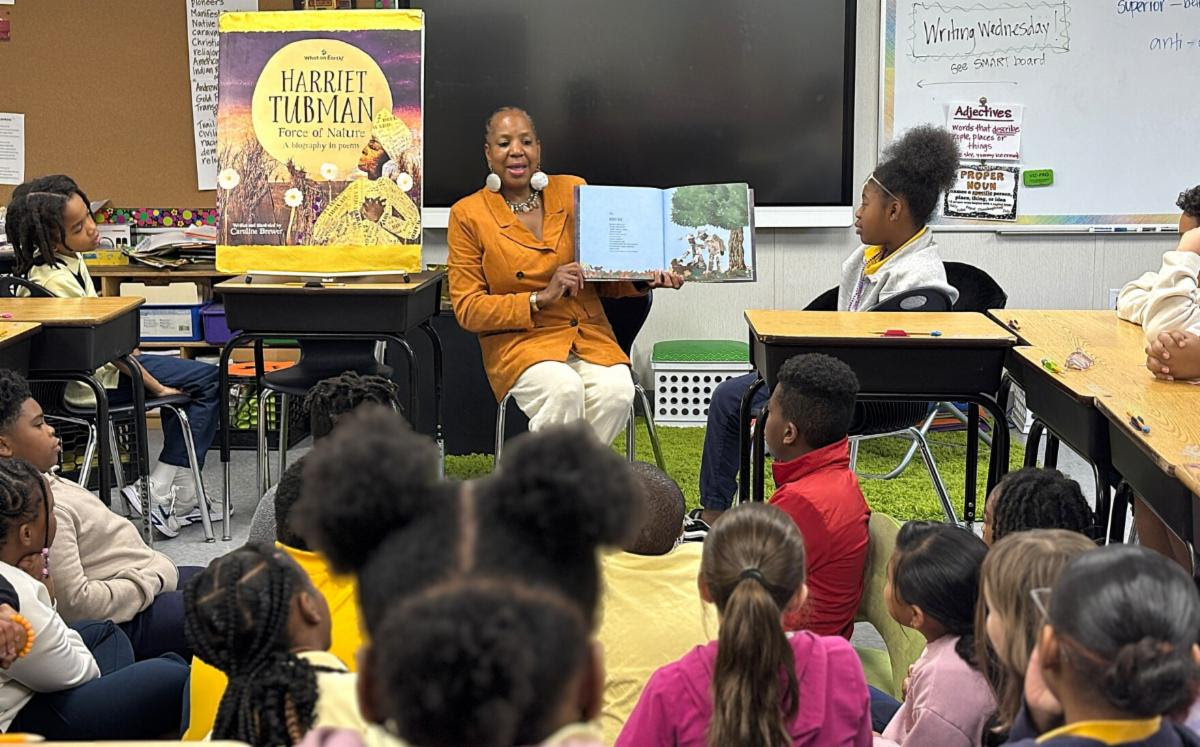
Literacy consultant and author Caroline Brewer, who wrote the award-winning middle-grade biography, Harriet Tubman, Force of Nature, A Biography in Poems, leans heavily on history and biography to inspire youth to become more confident and compelling readers, writers, and speakers. Through Nature-Wise, her student engagement program exploring literacy and the natural world, Brewer invites young people to write biographical essays and poems using prompts such as “What you don’t know by looking at me?” and “I love myself when.“
“These biographical prompts have been transformative,” Brewer says.” Students who seemed angry and bitter for weeks found healing in writing about their lives. Students who felt incapable of stringing sentences together properly found confidence that allowed them to excel. What’s more, several students who were many grade levels behind in writing, won tens of thousands of dollars in college scholarships because of one essay or poem.
Reynolds’ work offers a useful model here, too. His “Write. Right. Rite.” series uses playful prompts about everything from art to imaginary road trips to encourage authentic expression, creativity, and storytelling. The exercises make an important point: young people do not have to wait until adulthood to have stories worth telling.
Lifelong readers are created by surrounding youth with opportunities to discover, question, imagine, and connect. The goal shifts from simply raising children who read to showing them that there is a world of stories waiting for them and that their own stories belong there, too.
Joshua Levi Perrin is a writer for Unerased | Black Women Speak.