Some archives live in libraries. Others live in museums.
And some live in music.
For generations, Black women artists have documented the stories of their communities through song, preserving histories, emotions, and experiences that might otherwise be forgotten. Their music has served as testimony, memory, protest, celebration, and survival. Long before historians, journalists, or policymakers recognized the significance of these stories, Black women were recording them in lyrics, melodies, and performances.

The genres have changed over time. The mission has not.
Through gospel, soul, R&B, folk, and contemporary popular music, Black women have created what amounts to a public diary written by many hands but animated by the same spirit: a commitment to telling the truth about Black life.
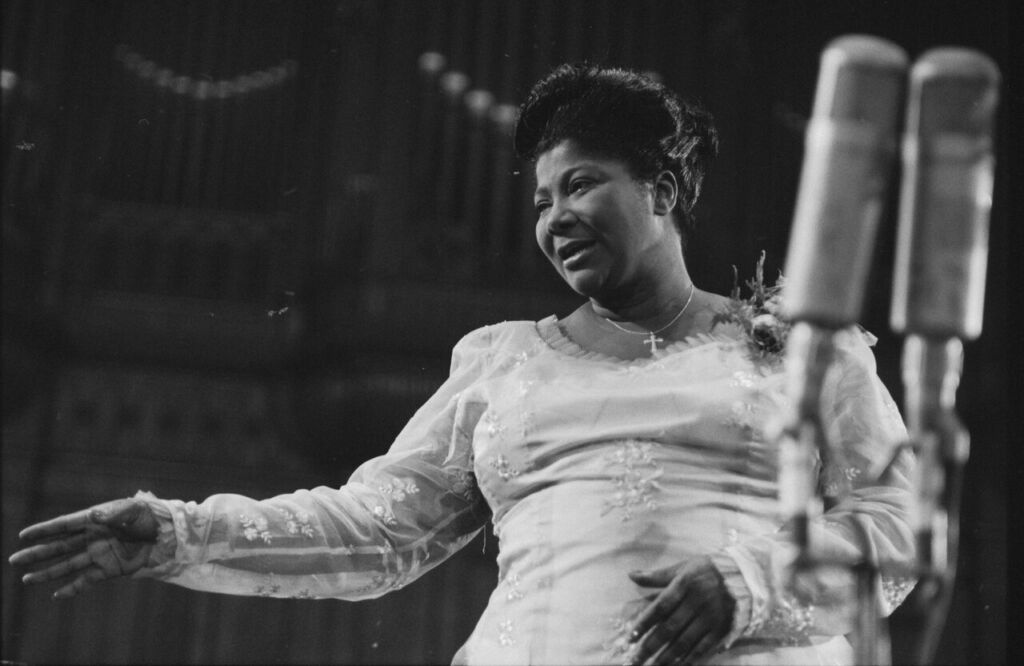
When Mahalia Jackson sang, she carried more than a tune. She carried a tradition of faith, resilience, and spiritual endurance forged in Black churches and communities. Her voice became part of the soundtrack of the Civil Rights Movement, preserving a belief that freedom was not only a political goal but a moral calling.
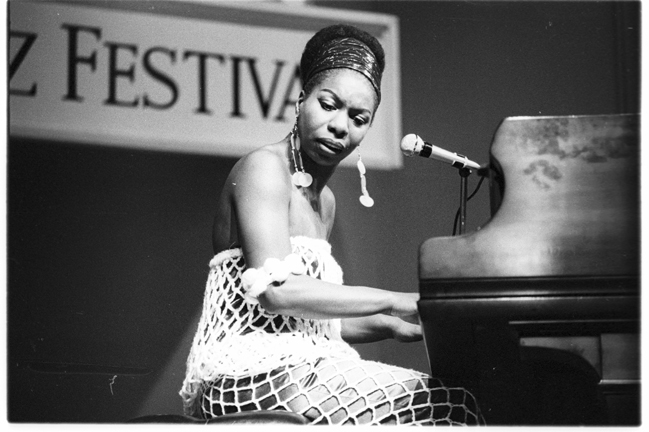
That thread of testimony continued through Nina Simone, whose music gave voice to grief, anger, and resistance in the face of racial terror. Songs like “Mississippi Goddam” transformed personal outrage into public witness, documenting a nation wrestling with its conscience and demanding that listeners do the same.
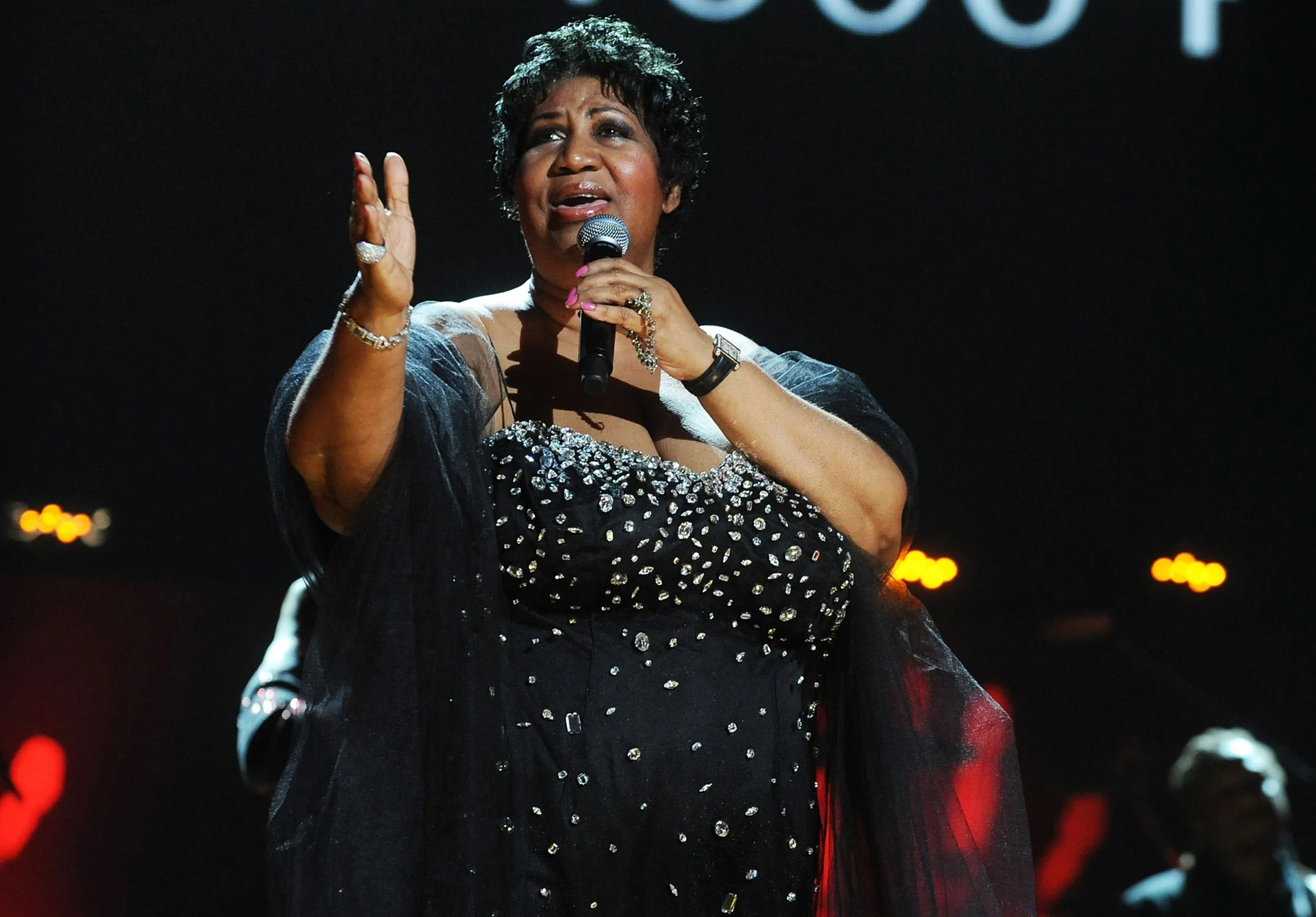
If Simone documented resistance, Aretha Franklin documented dignity. Through songs like “Respect,” she gave language to demands for recognition and self-determination that resonated far beyond the music industry. Her work became a declaration that Black women deserved not merely survival, but authority and regard.
Other artists chronicled the realities of everyday life. Betty Wright sang about relationships, struggle, perseverance, and hard-earned wisdom. Her music captured the experiences of working-class Black women navigating love, labor, and responsibility with honesty and humor. She preserved stories that rarely appeared in textbooks but were deeply familiar around kitchen tables and front porches.
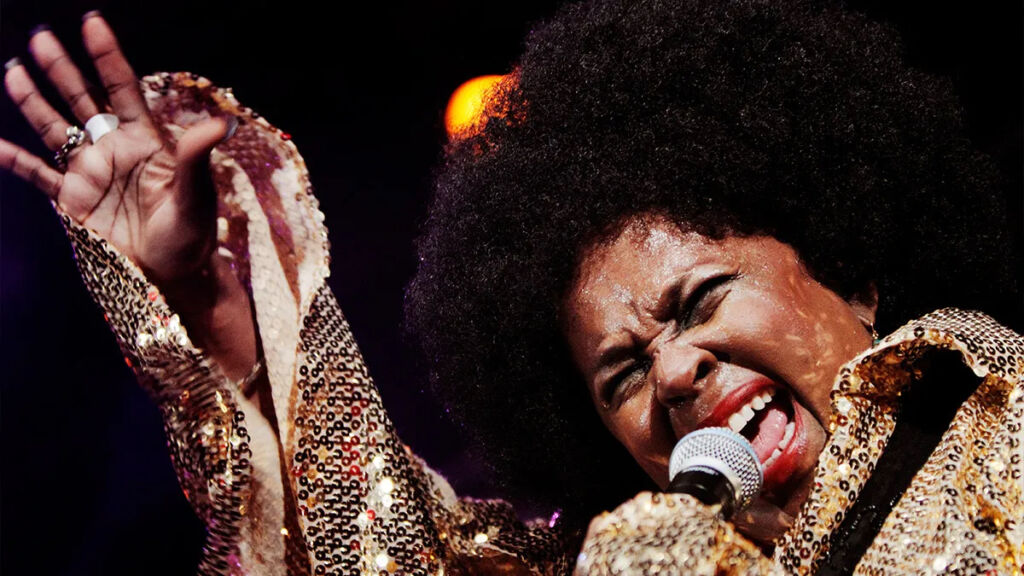
Through songs like “Fast Car,” Tracy Chapman documented economic precarity, aspiration, and mobility. Her music explored the distance between hope and opportunity, illuminating the challenges faced by people seeking stability, dignity, and a better life. In doing so, she transformed personal storytelling into a reflection of broader economic realities.
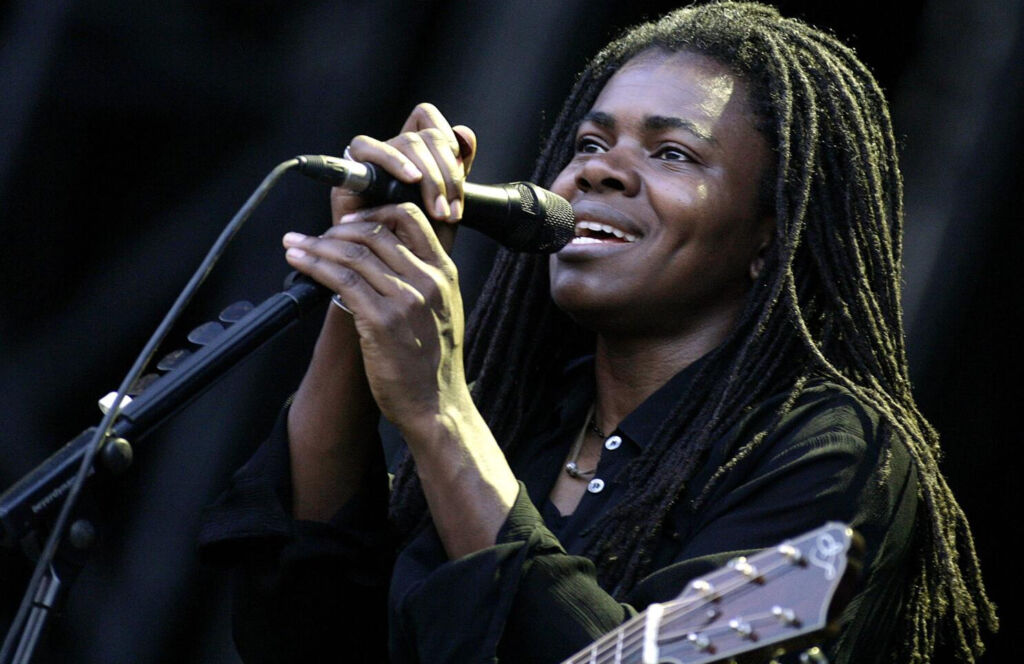
By the 1990s and early 2000s, artists like Erykah Badu were documenting something equally important: the interior lives of Black women. Her music explored self-definition, spirituality, creativity, and personal freedom. Badu’s work expanded the archive inward, reminding listeners that Black women’s thoughts, questions, and journeys were worthy subjects in their own right.
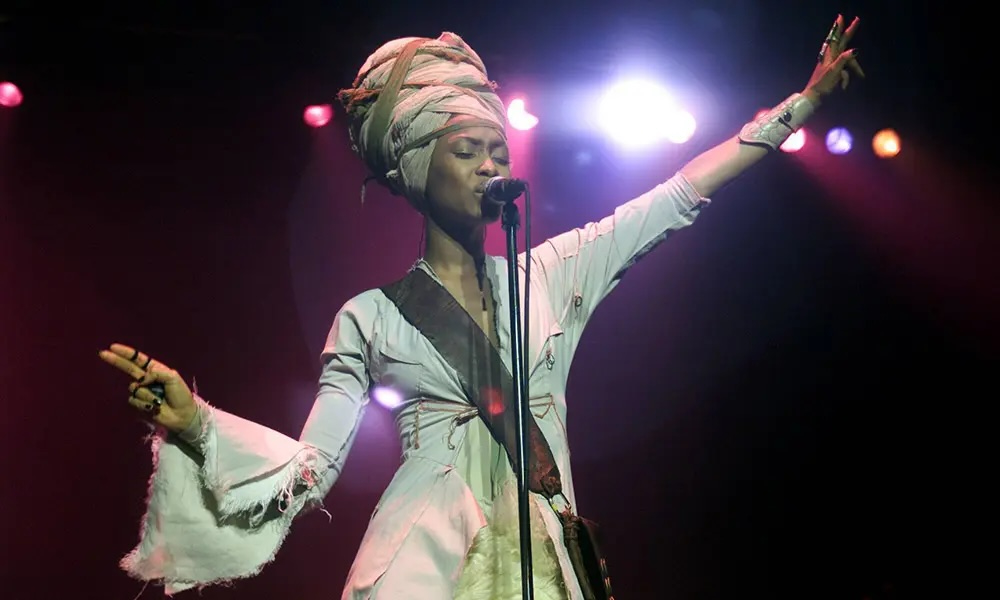
Today, Beyoncé continues that tradition through projects that consciously engage history and cultural memory. Works such as Lemonade, Black Is King, Renaissance, and Cowboy Carter examine ancestry, belonging, cultural inheritance, and the reclamation of spaces from which Black people have often been excluded. Her work functions not only as entertainment but as preservation, celebration, and cultural documentation.
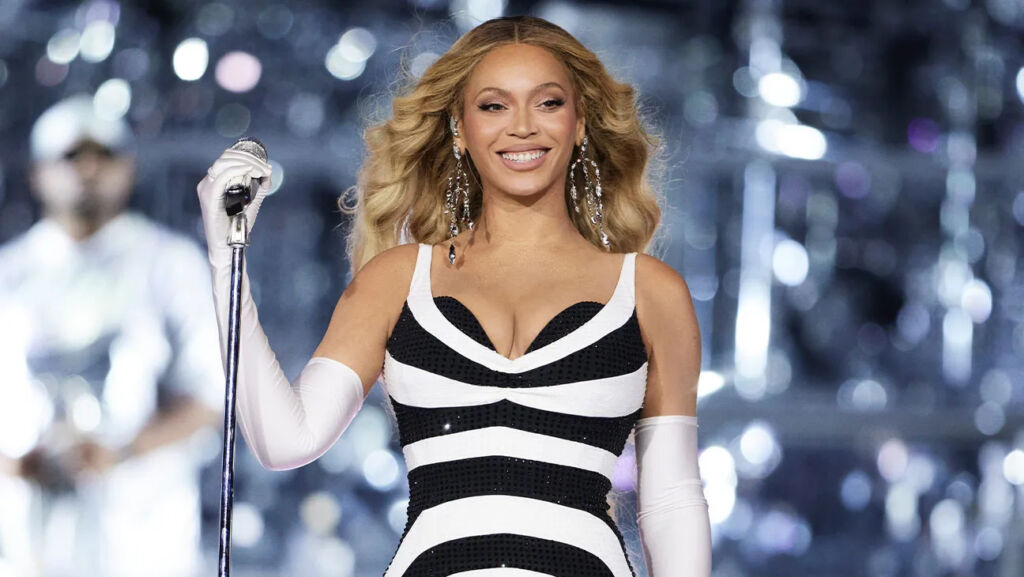
Together, these artists reveal a larger truth. Black women have never simply made music. They have recorded faith and freedom, grief and joy, labor and love, memory and imagination. They have preserved stories that institutions often overlooked and ensured that future generations would have access to a fuller record of who we were, what we endured, and what we dreamed.
Their songs remind us that history is not only found in official records. Sometimes it is carried in a melody, remembered in a chorus, and passed from one generation to the next through the simple act of pressing play.
Joshua Levi Perrin is a writer for Unerased | Black Women Speak.