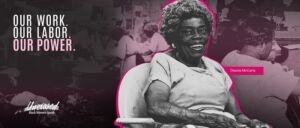

Each year, Black Women’s Equal Pay Day arrives over halfway to New Year’s Eve, marking how far into the calendar Black women must work to earn what White, non-Hispanic men earned in the previous year. Black women earn 65 cents for each dollar a White non-Hispanic man earns. The date is often accompanied by a familiar statistic, a few headlines, and renewed calls for pay equity.
But reducing Black Women’s Equal Pay Day to a wage comparison misses the larger story.
The observance is not simply about unequal paychecks. It is about how work is valued, whose labor is recognized, and what happens when generations of contribution are met with generations of unequal opportunity.
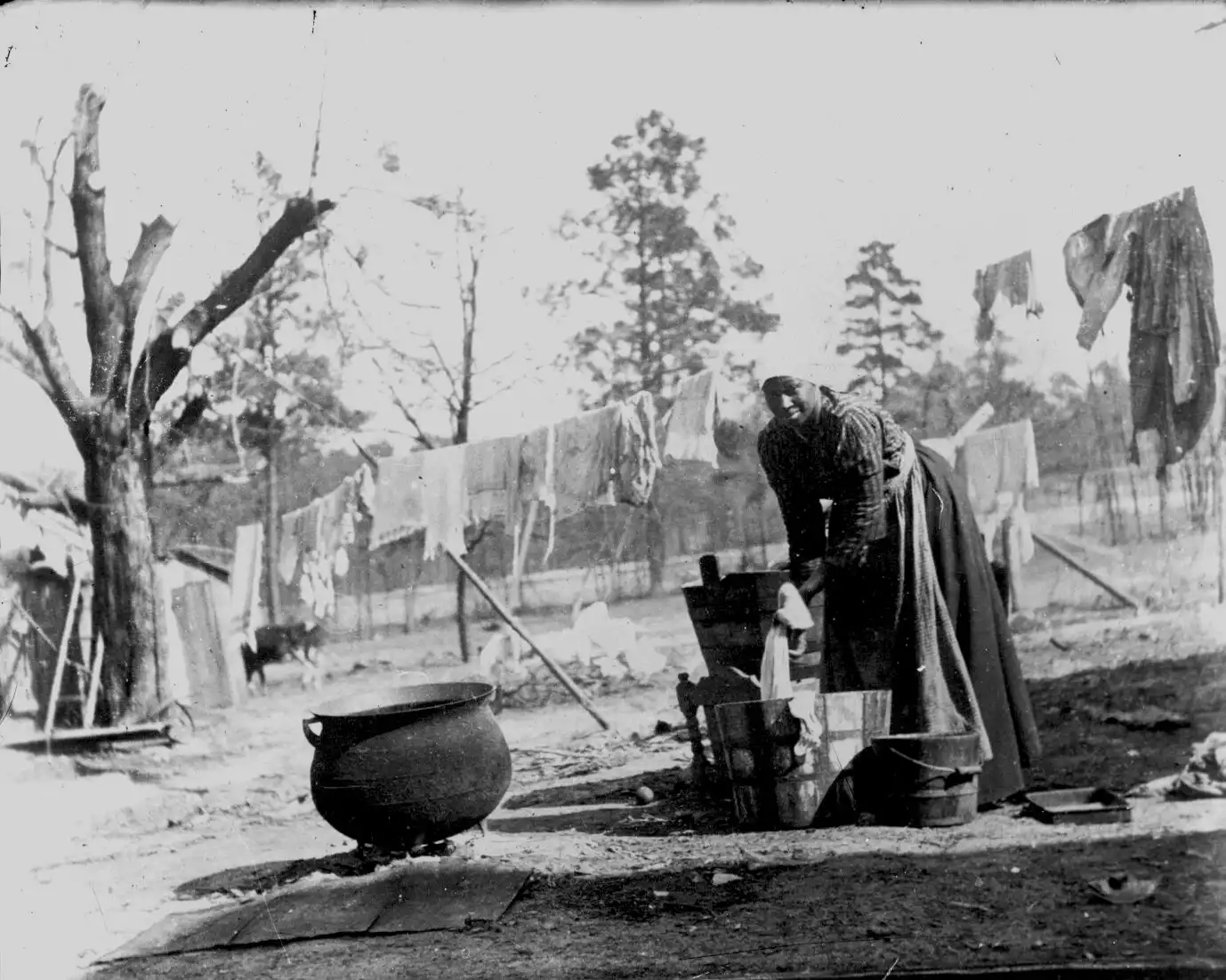
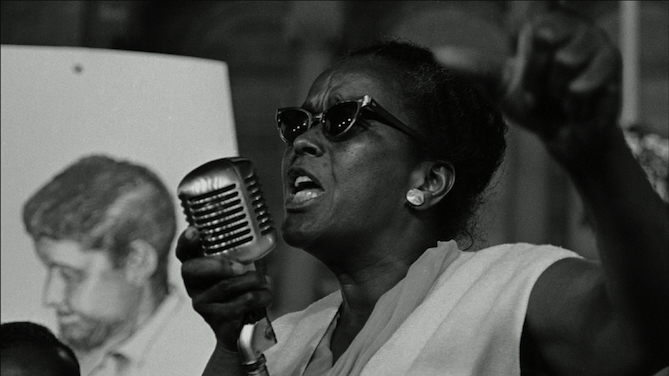
Black women have always worked. They worked in fields and homes while enslaved. They organized the Atlanta washerwomen’s strike of 1881 , one of the earliest large-scale labor movements led by Black women. They became teachers, nurses, entrepreneurs, domestic workers, federal employees, caregivers, organizers, and business owners. They have sustained families, strengthened neighborhoods, and helped build institutions that continue to shape American life.
The question has never been whether Black women contribute to the economy.
The question is why the economy has so often failed to fully value those contributions.
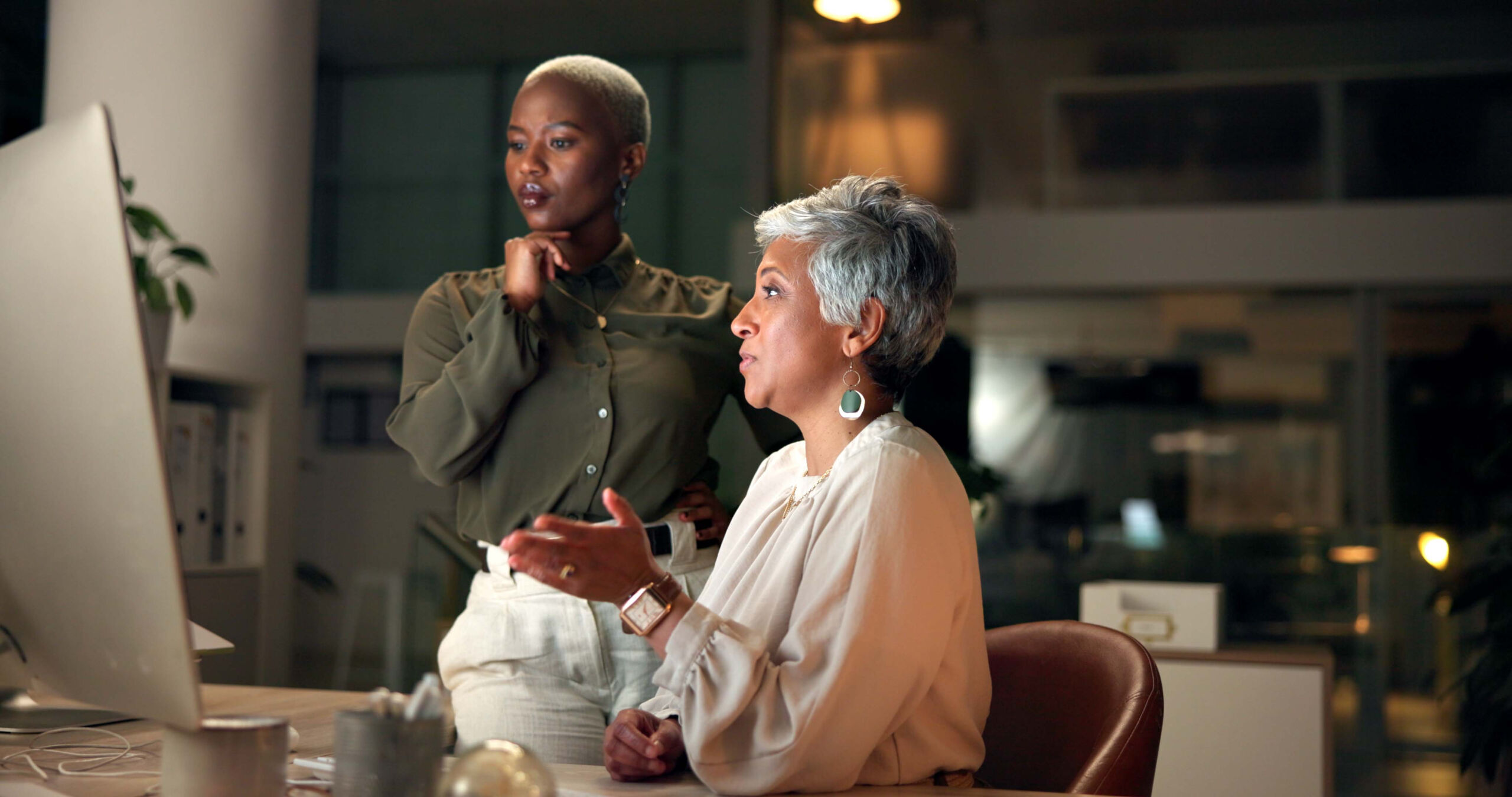
The wage gap is only one part of a much broader picture. Lower earnings often mean fewer opportunities to build wealth, purchase a home, invest in a business, or prepare for retirement. Student loan debt can become harder to repay. Caregiving responsibilities often require impossible tradeoffs between earning a living and caring for loved ones. Over time, these realities compound, shaping not only individual lives but the economic health of families and entire communities.
Changing this picture requires more than closing the wage gap, important as that work is.
It means confronting the structural barriers that continue to limit opportunity. It means creating pathways into higher-paying industries while ensuring essential jobs are compensated with dignity. It means making higher education a bridge to economic security instead of a source of lifelong debt. It means investing in Black women entrepreneurs, supporting worker protections, expanding access to affordable childcare, and recognizing caregiving as work that strengthens families and the broader economy.

It also requires changing the stories we tell.
Too often, conversations about Black women’s economic lives begin with what is lacking. They measure disparities without fully recognizing the extraordinary value Black women have created despite those barriers. History tells a different story. It is a story of women who organized labor movements, built businesses, created mutual aid societies, educated communities, and sustained families through generations of economic uncertainty. Their contributions have never been limited to a paycheck. They have shaped neighborhoods, institutions, and movements that continue to benefit the nation.
That history deserves more than recognition. It deserves investment.
Black Women’s Equal Pay Day should not be viewed as a symbolic date observed once each year. It should serve as an invitation to rethink how opportunity is created, how work is rewarded, and what an equitable economy truly looks like.
The goal is not simply to move the date closer to January.
The goal is to build an economy where Black women’s labor, leadership, and innovation are valued as essential to the nation’s prosperity.
When Black women thrive economically, the benefits extend far beyond individual households. Families become more secure. Communities grow stronger. Businesses flourish. Democracy itself is strengthened.
Black Women’s Equal Pay Day reminds us how far there is to go. It also reminds us that progress is possible when equity becomes more than an aspiration. It becomes a shared commitment to building an economy that finally values Black women’s work as much as Black women have always valued the work of building America.
Joshua Levi Perrin is a writer for Unerased | Black Women Speak.