
There is a temptation to think the story of Black women’s work begins with today’s conversations about equal pay, workplace equity, or career advancement. It doesn’t.
It begins in laundry rooms, kitchens, classrooms, hospitals, churches, union halls, and neighborhoods where Black women built lives, communities, and institutions despite an economy that too often depended on their labor without fully rewarding it.
That is the central argument of a new report from economist Dr. Rhonda V. Sharpe and the Women’s Institute for Science, Equity and Race (WISER). From Wash Tubs to Boardrooms: The Economic Mobility and Labor Legacy of Black Women in America traces nearly 150 years of Black women’s work, connecting historical labor struggles to the economic realities many still face today. Rather than viewing today’s wage and wealth gaps in isolation, the report asks readers to see them as part of a much longer American story.
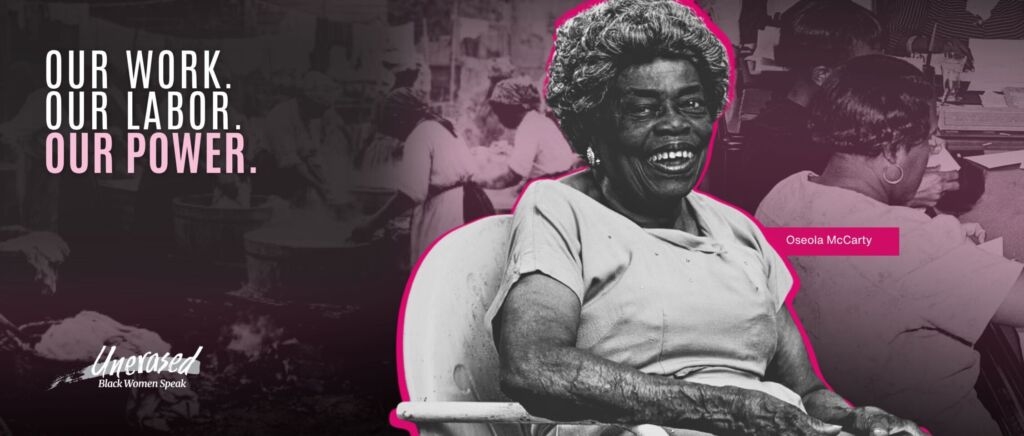
One of the report’s most memorable figures is Oseola McCarty.
McCarty spent decades washing and ironing clothes in Hattiesburg, Mississippi. She never married, never finished elementary school, and lived modestly throughout her life. Yet through disciplined saving, she accumulated more than $250,000. At age 87, she donated $150,000 to create scholarships for Black students at the University of Southern Mississippi, transforming the wages of a washerwoman into educational opportunity for future generations.
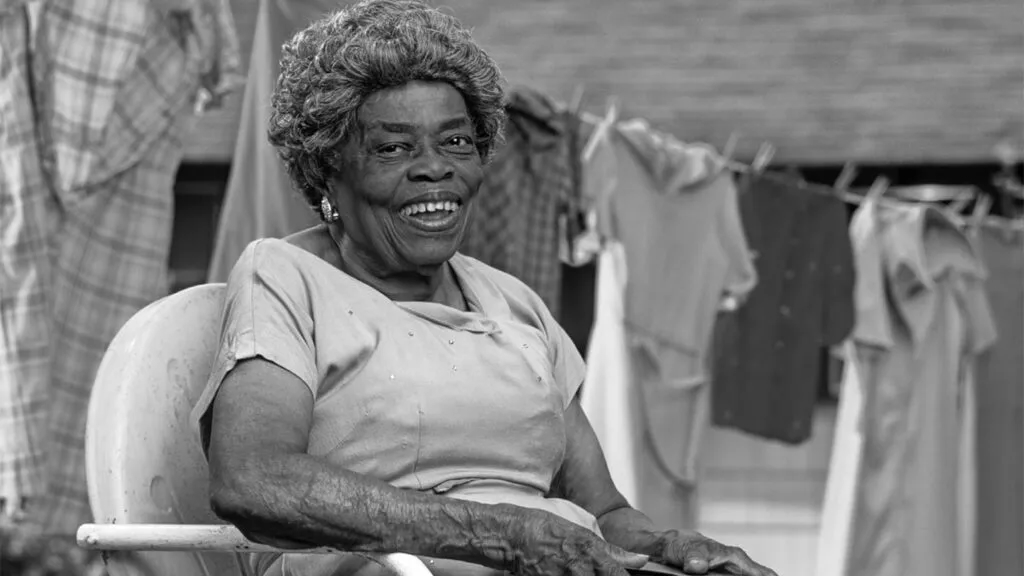
Her story captures a paradox that runs throughout the report. Black women have consistently generated economic value, built institutions, strengthened communities, and invested in others. Yet the systems surrounding their labor have rarely returned that investment in equal measure.
The report reaches back even further to the Atlanta washerwomen’s strike of 1881, when thousands of Black women organized to demand higher wages and greater control over their work. Their collective action challenged both employers and local officials, becoming one of the South’s earliest large-scale labor movements led by Black women. Their organizing laid groundwork that later leaders such as educator and labor activist Nannie Helen Burroughs would transform into lasting institutions focused on training, worker advocacy, and economic opportunity.
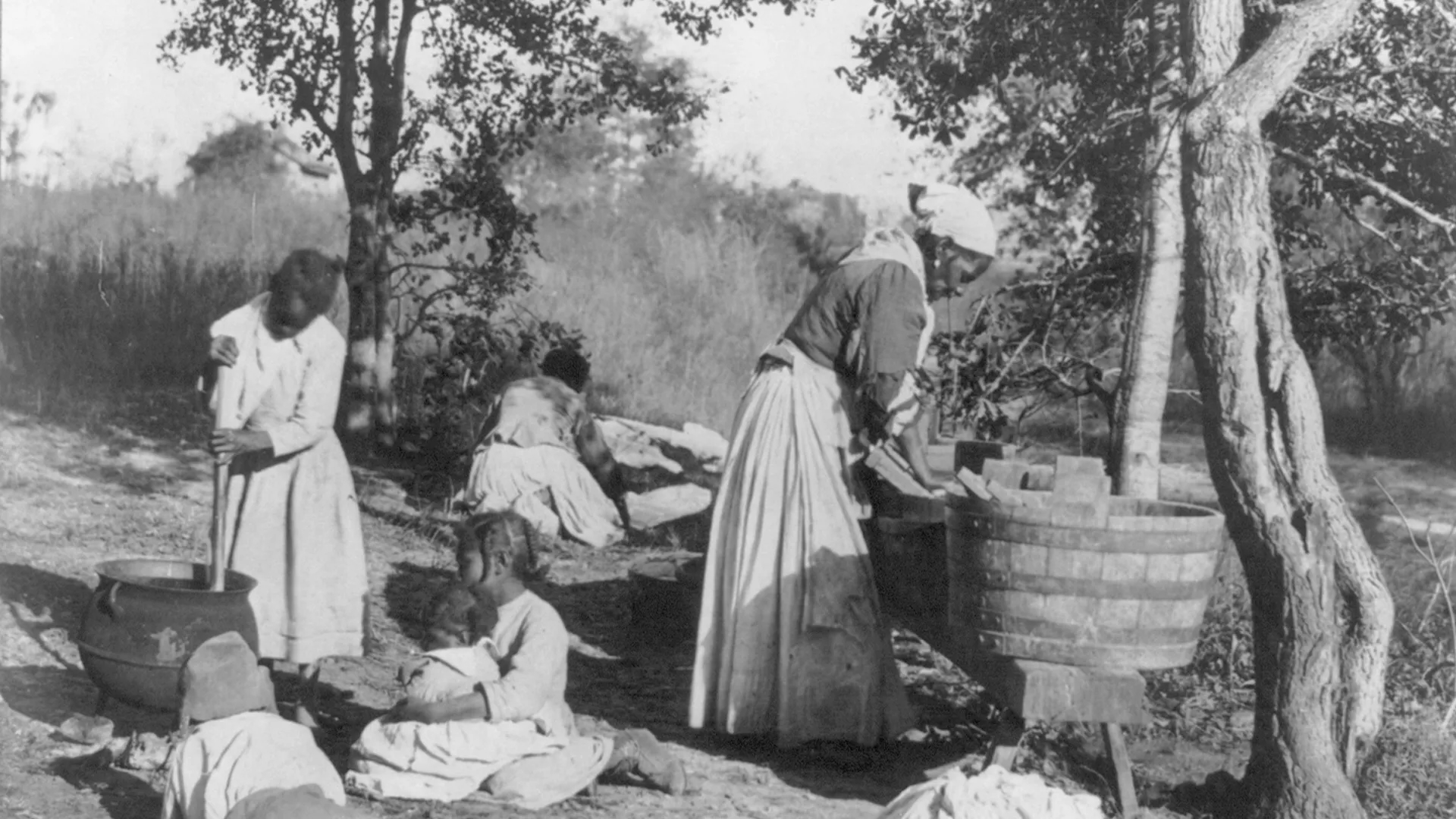
These stories are not presented as historical detours. They are evidence that Black women have never been passive participants in the American economy. They have organized it, challenged it, and repeatedly expanded it.
The report then follows that legacy into the present, examining occupational segregation, educational attainment, wealth, student debt, entrepreneurship, and labor force participation. One of its most striking conclusions is that education alone has not eliminated economic disparities. Black women have dramatically increased college attainment over the past several decades, yet many continue to face lower earnings, greater student debt burdens, and fewer opportunities to accumulate wealth than similarly educated peers.

The research also argues that these disparities are not simply individual challenges. Occupational segregation continues to concentrate Black women in essential care and service professions that have historically been undervalued, even as those jobs remain fundamental to the nation’s economy. Economic mobility, the report suggests, cannot be understood apart from the structures that shape opportunity in the first place.
Yet From Wash Tubs to Boardrooms is not a story of inevitable hardship. It is a story of persistence, innovation, and collective action. Across generations, Black women built schools, organized workers, established businesses, supported families, and invested in communities while confronting barriers that stretched far beyond the workplace.

As Unerased | Black Women Speak prepares to mark Black Women’s Equal Pay Day, this research offers more than statistics to absorb. It offers context. It reminds readers that today’s conversations about wages, wealth, and economic justice did not appear overnight. They are the latest chapter in a much longer story of labor, leadership, and resilience.
Understanding that z. It helps illuminate what a more equitable future could look like—and why building it requires valuing Black women’s work not only for what it produces, but for what it has always made possible.
Joshua Levi Perrin is a writer for Unerased | Black Women Speak.
Continue the conversation on Black women’s economic experiences, workplace equity, leadership, and the opportunities shaping today’s workforce. Explore this additional resource below.
Download the Executive Summary Report – From Washtubs to Boardrooms