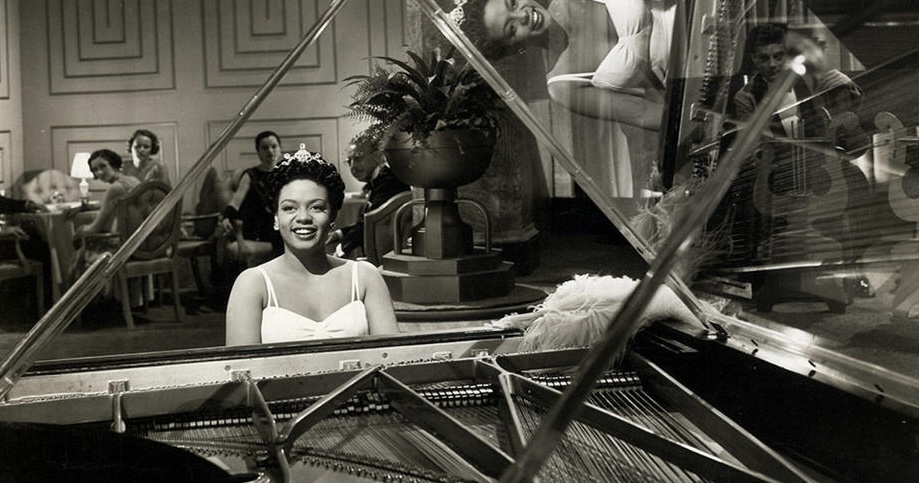
The Hazel Scott Story – Life Lived On Purpose
Karen Chilton’s biography Hazel Scott: The Pioneering Journey of a Jazz Pianist From Café Society, To Hollywood to HUAC calls out, opened doors, stages and whole eras to artistic geniuses.

Karen Chilton’s biography Hazel Scott: The Pioneering Journey of a Jazz Pianist From Café Society, To Hollywood to HUAC calls out, opened doors, stages and whole eras to artistic geniuses.

June is Black Music Appreciation Month, a time to celebrate the artists, innovators, storytellers and truth-tellers whose voices have shaped American culture and expanded our collective imagination.
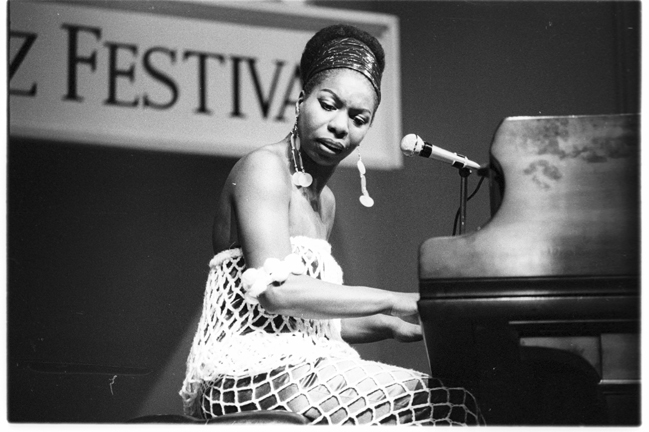
For generations, Black women artists have documented the stories of their communities through song, preserving histories, emotions, and experiences that might otherwise be forgotten.

Some artists make music. Others create a feeling so distinct that the moment their voice enters a room, people recognize themselves inside the song. For more than two decades, Jill Scott has done exactly that.

At this moment in history, federal funding is quietly vanishing for programs meant to improve racial equity. Black people have always built movements from the margins. When institutions failed us, we created our own.

Each fall, a sacred migration unfolds. Black families pack their bags, college sweethearts reunite, DJs dust off Frankie Beverly, and grills fire up across campus yards from Howard to Hampton, Tuskegee to Texas Southern.

From the founding years of the United States, racialized immigration regimes have shaped how Black and Brown people move through this country.

Black liberation in the United States has never been a closed-loop story. From the early 20th century to the present, Caribbean-born women have carried visions of justice.

Our lives as Black women are often saturated with doing, giving, and responding. To write, to truly write, we must claim space for ourselves. And we must protect it. Some of our greatest writers knew this.

Oak Bluffs became a rare exception in an era when racial covenants and systemic barriers prevented most Black Americans from owning property elsewhere in the country.